Table of Contents
- Introduction
- What Are Valves and Why Do They Matter?
- Ball Valves
- Gate Valves
- Globe Valves
- Check Valves
- Butterfly Valves
- Needle Valves
- Plug Valves
- Pressure Relief Valves
- Types of Valves in Different Applications
- Understanding Valve Symbols and Functions
- How to Choose the Right Valve
- Maintenance and Care Tips
- Conclusion
Introduction
When it comes to controlling the flow of liquids, gases, and other materials in pipes and systems, understanding the different types of valves is essential.
Whether you’re dealing with types of valves in plumbing for your home renovation or working with types of valves in piping for industrial applications, choosing the right valve can make all the difference in system performance and safety.
Valves are found everywhere – from the simple faucet in your kitchen to complex types of valves in hydraulic systems that power heavy machinery.
This comprehensive guide will walk you through the most common valve types, their functions, and where they’re typically used.
What Are Valves and Why Do They Matter?
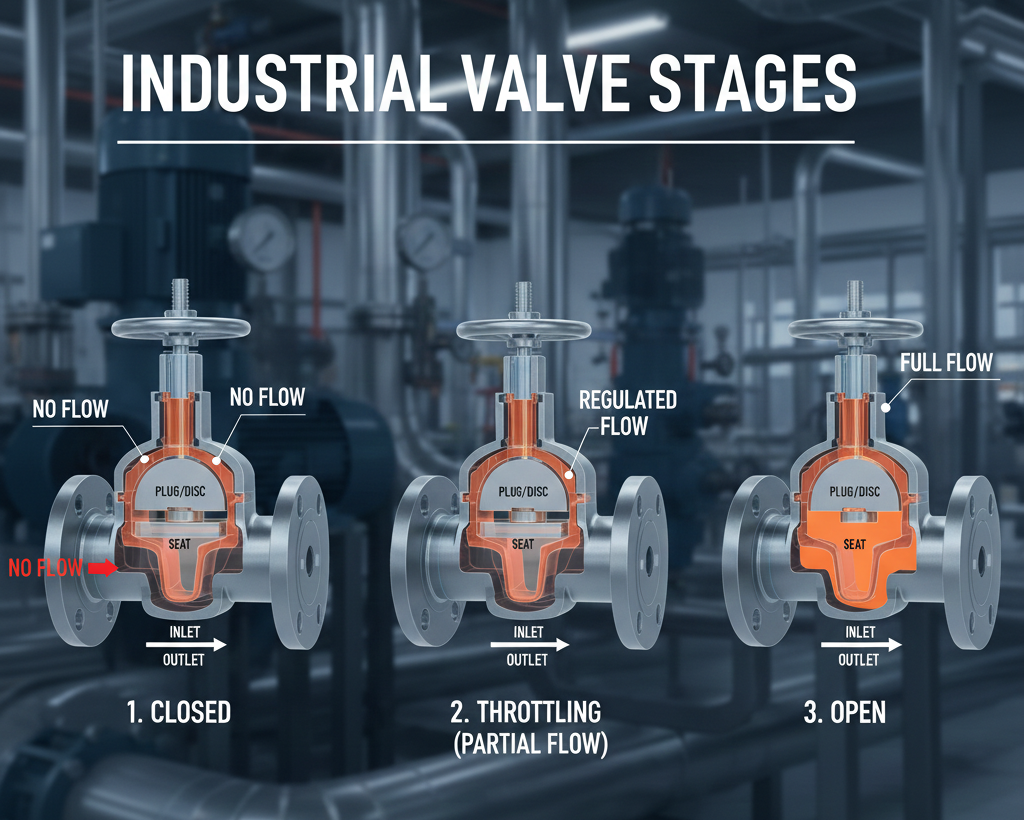
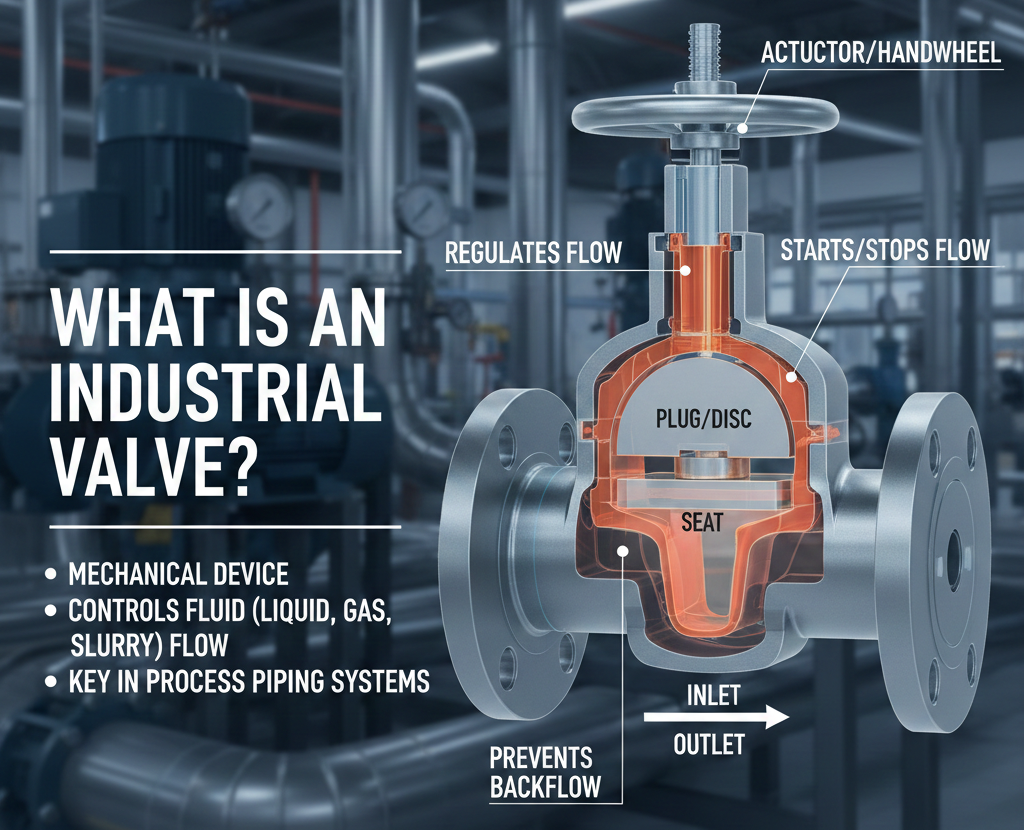
Valves are mechanical devices designed to control the flow of fluids through pipes, tubes, and other passageways. They can start, stop, or regulate flow by opening, closing, or partially obstructing various passageways.
The importance of valves cannot be overstated – they’re the control points that keep our water systems running, our industrial processes safe, and our everyday appliances functioning properly.
The types of valves and their functions vary greatly depending on the application. Some valves are designed for simple on/off control, while others provide precise flow regulation.
Understanding these differences helps ensure you select the right valve for your specific needs.
Ball Valves
Ball valves are among the most popular types of valves in water supply systems. They feature a spherical ball with a hole through its center that rotates to control flow. When the hole aligns with the pipe, fluid flows freely. When rotated 90 degrees, the solid side of the ball blocks the flow completely.
Key Features of Ball Valves:
- Quick quarter-turn operation
- Excellent sealing capabilities
- Low maintenance requirements
- Suitable for high-pressure applications
- Available in full port and reduced port designs
Ball valves are commonly used in residential plumbing, industrial applications, and gas lines. Their simple design makes them reliable and cost-effective for many applications where quick shutoff is needed.
Applications:
- Types of valves in plumbing: Main water shutoffs, fixture isolation
- Industrial process control
- Natural gas distribution
- Swimming pool and spa systems
Gate Valves
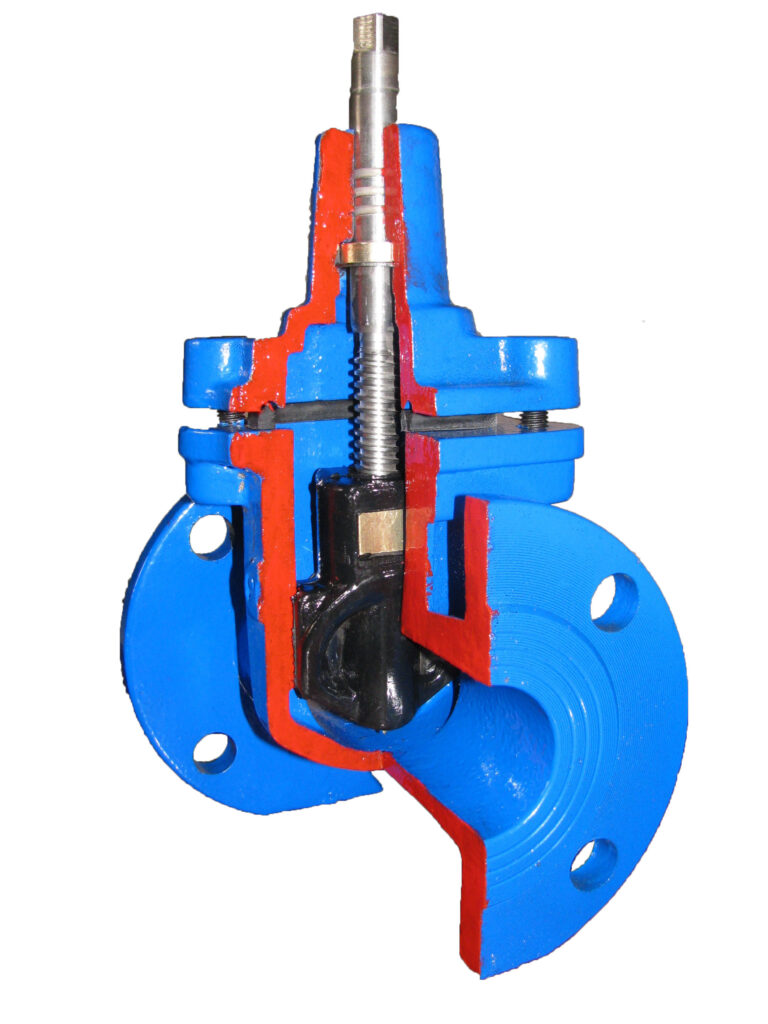
Gate valves are linear motion valves that use a gate or wedge to control flow. The gate moves perpendicular to the flow direction, either allowing full flow when fully open or completely stopping flow when fully closed. These valves are not intended for throttling or flow regulation.
Characteristics of Gate Valves:
- Full flow when open (minimal pressure drop)
- Bi-directional flow capability
- Slow opening and closing operation
- Not suitable for frequent operation
- Prone to seat damage if used for throttling
Gate valves are commonly found in types of valves in water supply systems where infrequent operation is expected. They’re ideal for isolation service in pipelines and are often used in main water lines, fire protection systems, and industrial process isolation.
Best Uses:
- Main pipeline isolation
- Water treatment plants
- Oil and gas transmission lines
- Steam systems
Globe Valves
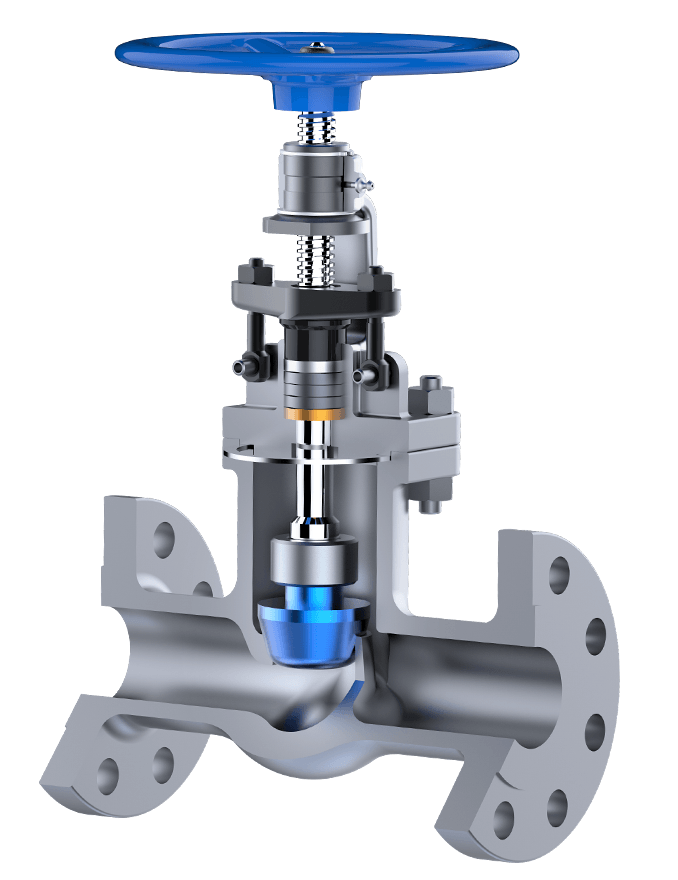
Globe valves are excellent for applications requiring precise flow control and frequent operation. Unlike gate valves, globe valves are designed for throttling service. The valve disc moves parallel to the flow, creating a variable orifice that can precisely control flow rates.
Globe Valve Advantages:
- Excellent throttling capabilities
- Quick opening and closing
- Good shutoff characteristics
- Suitable for frequent operation
- Available in various body designs
The internal design of globe valves creates a tortuous flow path, which means higher pressure drop compared to ball or gate valves. However, this design makes them ideal for applications where flow control is more important than pressure conservation.
Common Applications:
- Boiler systems
- Fuel oil systems
- Cooling water systems
- Process control applications
Check Valves
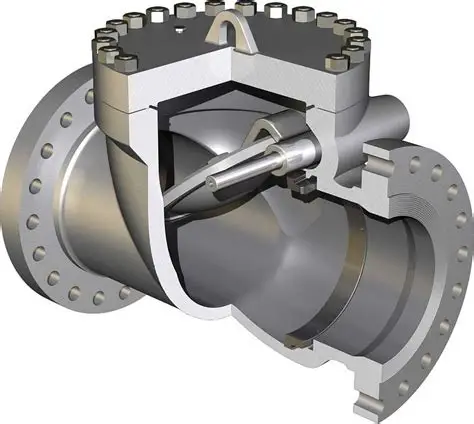
Check valves are automatic valves that allow flow in only one direction. They’re essential safety devices that prevent backflow, which could damage equipment or contaminate systems.
These valves operate without external control – they open when forward pressure is applied and close when flow stops or reverses.
Types of Check Valves:
- Swing check valves: Use a hinged disc that swings open with forward flow
- Lift check valves: Feature a disc that lifts off its seat
- Ball check valves: Use a ball that moves to block reverse flow
- Wafer check valves: Compact design that fits between flanges
Check valves are critical components in types of valves in hydraulic systems and pump applications. They prevent damage that could occur from reverse flow and help maintain system pressure.
Essential Applications:
- Pump discharge lines
- Compressor systems
- Sump pump installations
- Water heater connections
Butterfly Valves
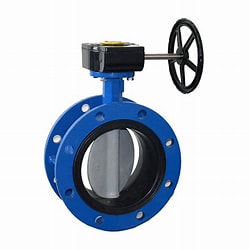
Butterfly valves feature a disc that rotates on a shaft perpendicular to the flow direction. The disc acts like a damper, and when rotated 90 degrees, it either allows full flow or blocks it completely.
These valves are popular for their compact design and quick operation.
Butterfly Valve Benefits:
- Lightweight and compact
- Quick quarter-turn operation
- Lower cost than other valve types
- Good for large diameter applications
- Available with various seat materials
The types of valves and their uses in large-scale applications often include butterfly valves due to their space-saving design and cost-effectiveness. They’re commonly used in HVAC systems, water treatment plants, and fire protection systems.
Typical Uses:
- HVAC damper control
- Water distribution systems
- Wastewater treatment
- Large-diameter pipeline isolation
Needle Valves
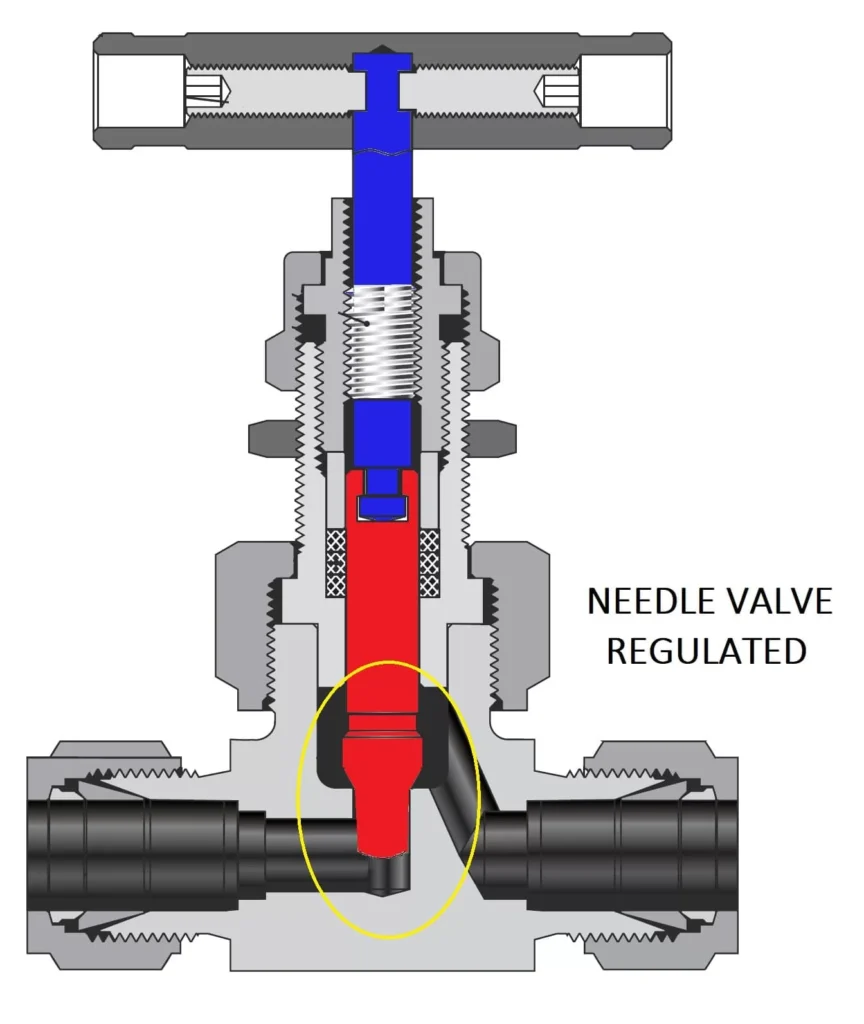
Needle valves provide extremely precise flow control through their fine-threaded stem and needle-like disc. The needle gradually reduces the flow area as it’s threaded into the seat, allowing for very accurate flow adjustment.
These valves are essential when precise control is more important than flow capacity.
Needle Valve Features:
- Precise flow control
- Gradual opening and closing
- Excellent shutoff capabilities
- Small orifice design
- Multi-turn operation
Needle valves are commonly found in instrumentation systems, gauge connections, and sample lines where precise control of small flows is required.
Applications:
- Instrument connections
- Sample lines
- Gas chromatography systems
- Hydraulic control systems
Plug Valves
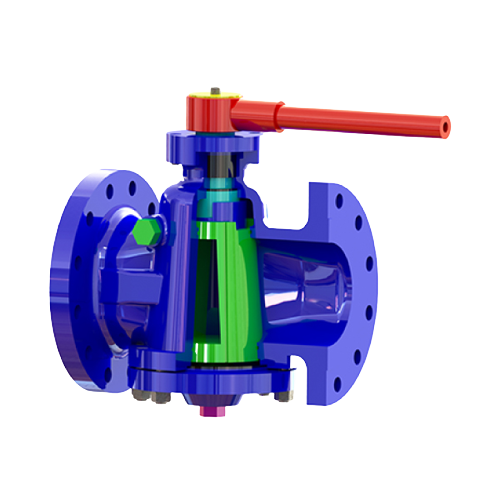
Plug valves use a cylindrical or tapered plug with a hole through it to control flow. Similar to ball valves, they provide quick quarter-turn operation but with a different internal design.
The plug rotates within the valve body to align or block the flow path.
Plug Valve Types:
- Lubricated plug valves: Use sealant injection for better sealing
- Non-lubricated plug valves: Rely on advanced seat materials
- Eccentric plug valves: Reduce wear through offset design
These valves are excellent for types of valves in piping systems that handle abrasive or corrosive media. They’re often used in refineries, chemical plants, and gas processing facilities.
Pressure Relief Valves

Pressure relief valves are safety devices that automatically release pressure when it exceeds a predetermined level. These valves are crucial for protecting equipment and personnel from dangerous overpressure situations.
Safety Features:
- Automatic operation
- Precise pressure settings
- Quick response time
- Resealable design
- Various capacity options
Every system with the potential for overpressure should include appropriate pressure relief valves. They’re required by code in many applications and are essential for safe operation.
Types of Valves in Different Applications
Plumbing Applications
Types of valves in plumbing systems serve various functions from main shutoffs to fixture control. Common plumbing valves include:
- Main shutoff valves: Usually ball or gate valves
- Fixture shutoffs: Typically ball or angle valves
- Toilet valves: Fill valves and flush valves
- Backflow preventers: Specialized check valve assemblies
Water Supply Systems
Types of valves in water supply systems must handle clean water reliably over long periods. Key considerations include:
- Material compatibility: Brass, bronze, or approved plastics
- Pressure ratings: Must handle system pressure plus surge
- Flow characteristics: Minimal pressure drop when open
- Maintenance access: Easy to service and replace
Hydraulic Systems
Types of valves in hydraulic systems operate under high pressure and require precise control:
- Directional control valves: Route hydraulic fluid
- Pressure control valves: Maintain system pressure
- Flow control valves: Regulate actuator speed
- Check valves: Prevent reverse flow
Industrial Piping
Types of valves in piping for industrial applications face demanding conditions:
- Process isolation: Gate and ball valves for shutoff
- Flow control: Globe and butterfly valves for regulation
- Safety systems: Relief and check valves for protection
- Sampling: Needle valves for precise control
Understanding Valve Symbols and Functions
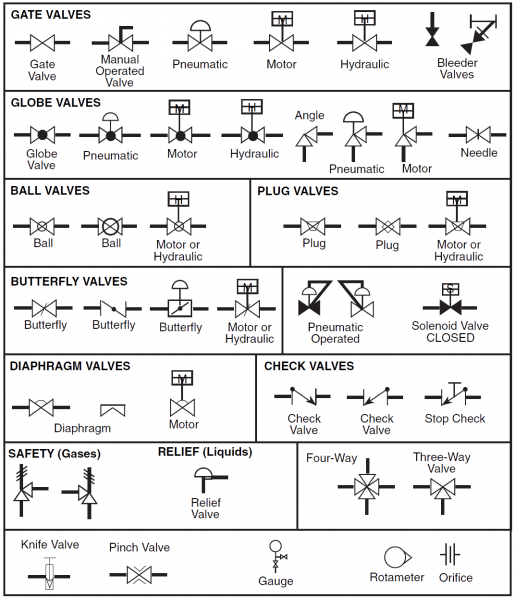
Types of valves and symbols are standardized to help engineers and technicians understand system designs. Common symbols include:
- Gate valve symbol: Rectangle with diagonal line
- Globe valve symbol: Circle with internal element
- Ball valve symbol: Circle with quarter-circle element
- Check valve symbol: Triangle pointing in flow direction
- Butterfly valve symbol: Circle with line through center
Understanding these symbols is crucial for reading piping and instrumentation diagrams (P&IDs) and hydraulic schematics. Each symbol conveys specific information about valve type and function.
Symbol Standards
Different industries may use variations of valve symbols, but most follow standards like:
- ISA (International Society of Automation)
- ANSI (American National Standards Institute)
- ISO (International Organization for Standardization)
How to Choose the Right Valve
Selecting the appropriate valve type depends on several factors:
Application Requirements
- Flow control needs: On/off vs. throttling
- Pressure and temperature conditions
- Fluid characteristics: Clean water, chemicals, abrasives
- Operating frequency: Occasional vs. frequent operation
Performance Criteria
- Pressure drop requirements
- Leakage specifications
- Response time needs
- Maintenance accessibility
Economic Considerations
- Initial cost
- Installation complexity
- Maintenance requirements
- Energy efficiency
Types of valves and their functions should match your specific application needs. Don’t over-specify expensive valves for simple applications, but don’t compromise on quality for critical systems.
Maintenance and Care Tips
Proper maintenance extends valve life and ensures reliable operation:
Regular Inspection
- Visual checks: Look for leaks, corrosion, or damage
- Operation testing: Verify smooth operation
- Pressure testing: Confirm proper shutoff
- Documentation: Keep maintenance records
Preventive Maintenance
- Lubrication: Follow manufacturer recommendations
- Seal replacement: Before failure occurs
- Cleaning: Remove debris and buildup
- Adjustment: Maintain proper operation
Troubleshooting Common Issues
- Leakage: Check seals, packing, and seats
- Hard operation: Inspect for debris or wear
- Poor shutoff: Examine disc and seat condition
- Noise: Look for cavitation or loose parts
Conclusion
Understanding the different types of valves and their applications is essential for anyone working with fluid systems.
From basic types of valves in plumbing to complex types of valves in hydraulic systems, each valve type serves specific functions and offers unique advantages.
Whether you’re selecting types of valves in water supply systems or designing industrial piping networks, the key is matching valve characteristics to application requirements. Consider factors like pressure, temperature, flow control needs, and maintenance requirements when making your selection.
Remember that types of valves and their functions continue to evolve with new materials and technologies. Stay informed about industry developments and don’t hesitate to consult with valve manufacturers or experienced engineers when selecting valves for critical applications.
The right valve choice today can prevent costly problems tomorrow. Take time to understand your system requirements, evaluate options carefully, and invest in quality components that will provide years of reliable service.
Ready to select the perfect valve for your application? Consider consulting with a valve specialist or engineer who can help you navigate the many options available and ensure you choose the most appropriate solution for your specific needs.
Leave a Reply