
Walk into any electronics showroom in India, and the salesperson will immediately steer you toward the 5-star wall.
They’ll flash the Bureau of Energy Efficiency (BEE) label, promise you massive savings on your electricity bill, and justify a hefty ₹8,000 to ₹10,000 premium over a 3-star model.
Here is the raw truth: A 5-star AC is not always the smartest choice. In fact, for a lot of Indian homes, buying one is a financial mistake. Let’s break down the math so you can stop overpaying for marketing hype.
The Upfront Verdict: The 10-Second Rule
If you don’t want to read the engineering breakdown below, use this simple blueprint before you swipe your card:
Buy a 3-Star AC if: Your usage is low or seasonal (under 4 hours a day in a guest room, dining room, or a formal living space). You will never recover the extra cost of the 5-star model.
Buy a 5-Star AC if: You run your AC for more than 6 hours a day, engineering a heavy-use environment (like a master bedroom where you sleep all night, or a home office).
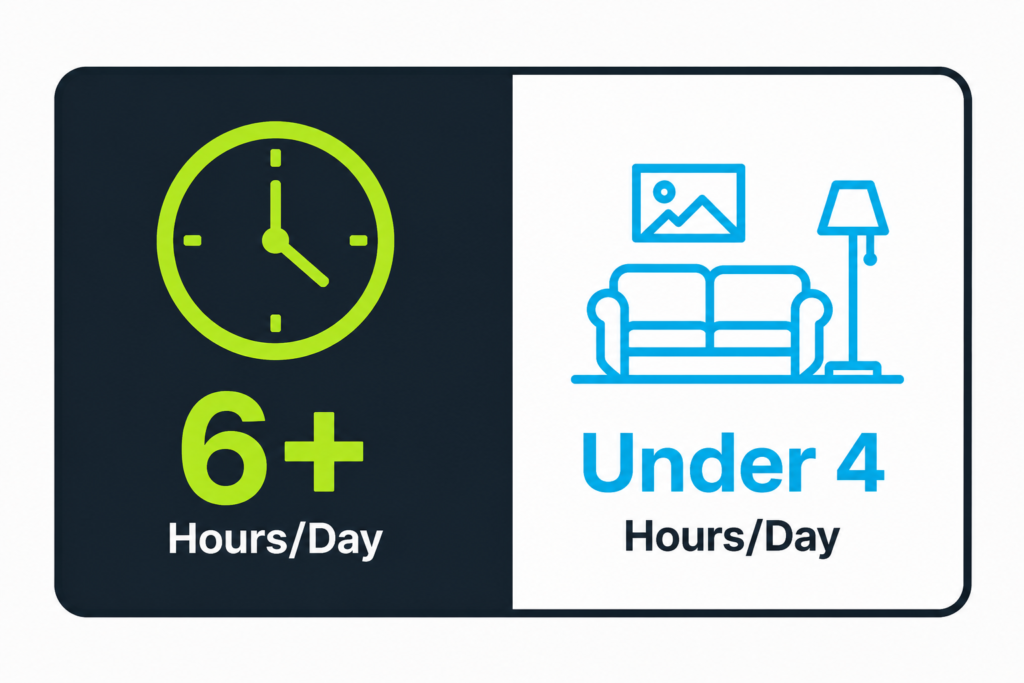
The 10-Second Rule: Match your daily runtime to the star rating. Don’t pay the upfront premium if your room stays empty most of the day.
The Engineering Math: Breaking Down the TCO
To prove this, we have to look at the Total Cost of Ownership (TCO). Let’s compare a standard 1.5-ton 3-star inverter AC against a 5-star inverter AC based on real-world Indian electricity tariffs (averaging ₹8 per unit).
| Metric | The 3-Star AC | The 5-Star AC | The Difference |
| Average Retail Price | ₹37,000 | ₹45,000 | + ₹8,000 (Upfront) |
| Annual Power Units (ISEER) | ~1,000 Units | ~750 Units | 250 Units Saved / Year |
| Annual Electricity Cost | ₹8,000 | ₹6,000 | ₹2,000 Saved / Year |
The “Break-Even” Reality Check
Look at the last column. The 5-star AC saves you roughly ₹2,000 a year in electricity bills.
Now do the shop-floor math: You paid an extra ₹8,000 upfront to buy the 5-star machine.
{₹8,000 upfront premium} / {₹2,000 annual savings} = 4 years
It takes four full years of running that AC just to win back the extra money you spent in the store. If you only run your AC during the peak summer months (4–5 months a year), that break-even point stretches out to 6 or 7 years—which is close to the actual lifespan of the modern compressor electronics anyway.
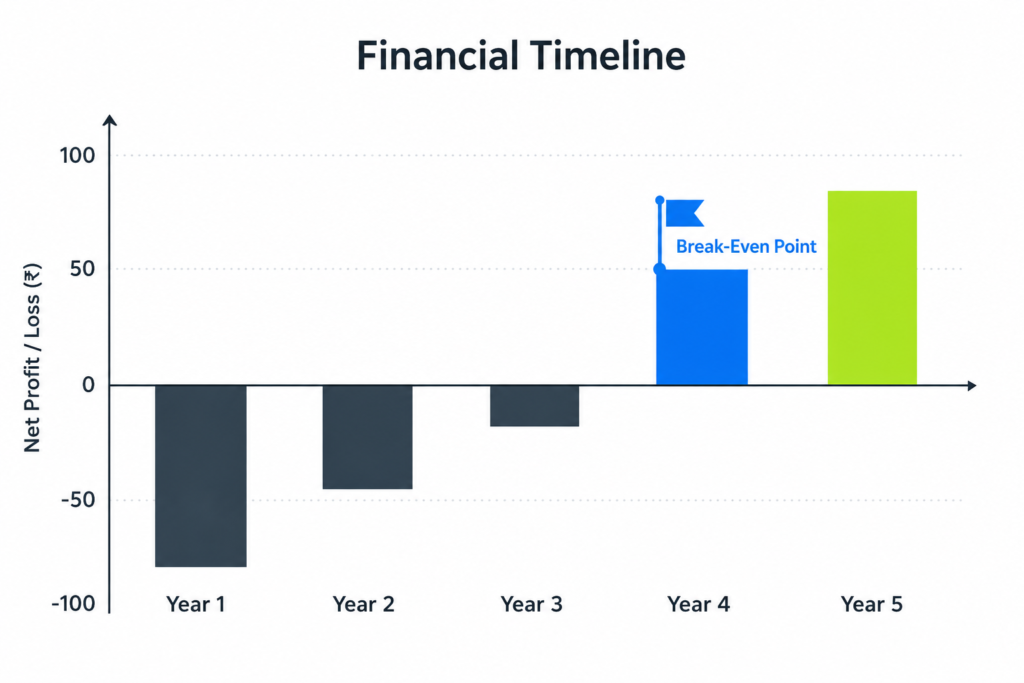
Visualizing the timeline. If you plan to shift houses, rent, or upgrade the appliance within 4 to 5 years, you will barely break even on a 5-star model.
The Internal Machinery: What Brands Won’t Tell You
Beyond the math, the internal hardware tells a story.
- The Compressor Capping: Both 3-star and 5-star units use variable-speed inverter compressors. The main difference is that a 5-star unit often has a larger condenser surface area and a slightly more optimized electronic expansion valve to squeeze out that extra efficiency.
- The Alloy Trap: Never buy a 5-star AC with an aluminum alloy condenser just because it has a shiny sticker. A 3-star AC with a 100% copper condenser will outlast an alloy 5-star unit every single day in the humid, corrosive Indian climate.
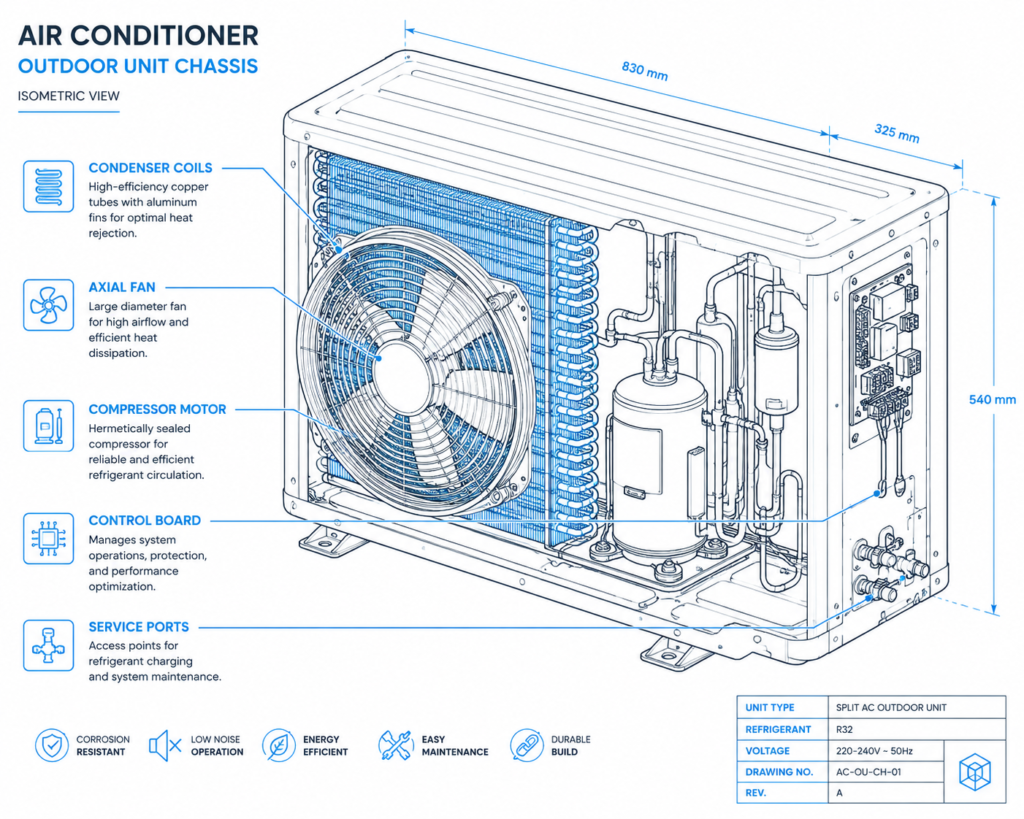
Haitic Engineering Check: Always prioritize 100% grooved copper condenser coils over any energy efficiency sticker. Flimsy alloy coils leak gas early, killing your savings instantly.
The Bottom Line
Stop letting salespeople guilt-trip you into buying the highest star rating. Look at your daily routine. If you are only cooling a room for a couple of hours during the absolute hottest afternoons, buy a solid 3-star copper-coil unit, pocket the ₹8,000 savings, and walk away.
Haitic Independence Disclosure: We analyze products by stripping away marketing jargon, evaluating mechanical layouts, and calculating real numbers based on local market realities. When you purchase via our upcoming curated links, it costs you nothing extra but supports our independent technical audits.
Leave a Reply